
Russia wants to use the Ukraine talks to push for a reduction of NATO's presence in Europe to its 1997 level, The Telegraph writes, citing diplomatic sources. The Ukrainian outlet delo.ua reports that Moscow may demand the withdrawal of alliance troops from five countries.
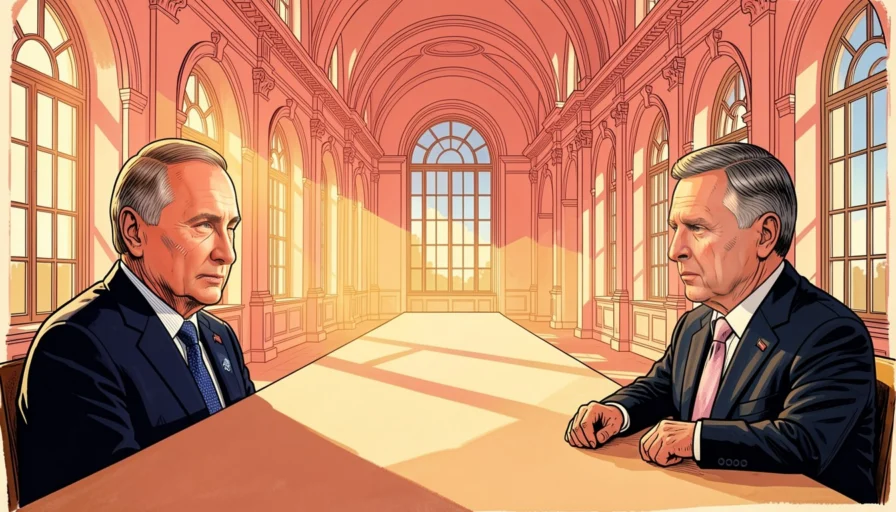
The day before, on October 21, Vladimir Putin's talks with US presidential special envoy Steve Witkoff ended at the Konstantinovsky Palace in Saint Petersburg. According to Interfax, citing the Kremlin, the sides spent about three hours discussing a peaceful settlement of the war in Ukraine.
According to The Telegraph, the Kremlin intends to push for a reduction of the alliance's military presence in Europe to what it was before the countries of Eastern Europe joined NATO. Citing diplomatic sources, the paper names a possible demand: withdrawing troops from Poland, Estonia, Latvia, Lithuania and Finland, that is, countries bordering Russia.
Putin's aide Yuri Ushakov said that Europe, which supports Ukraine, must also be brought into the talks. The Telegraph's diplomatic sources link Moscow's insistence to this as well: they say Putin wants to turn a discussion of ending the war into a conversation about revising the entire European security system. In the data cited, the Kremlin has not formulated such demands officially.
Last week Moscow agreed to trilateral technical talks with Ukraine and the US in Abu Dhabi next month.
The countries of the eastern flank are acting in the opposite direction. On October 18, the leaders of Bulgaria, Romania, Poland, Latvia, Lithuania, Estonia, Finland and Sweden met in Helsinki for the first "Eastern Flank of Europe" summit. According to reports in Telegram channels, the presidents of Lithuania, Latvia and Poland asked the NATO secretary general to strengthen the flank in light of the deployment of nuclear weapons in Belarus. Poland and the three Baltic states have said they want to withdraw from the convention banning anti-personnel mines, citing the threat from Russia.
For decades Russia has claimed that NATO's eastward expansion contradicts promises made by the West. Telegram channels point to a 1991 document from the British National Archives in which Western countries called NATO expansion unacceptable, and they believe it confirms Russia's claims.
European countries have already rejected the Kremlin's demands to reduce NATO's presence on the eastern flank. Polish Foreign Minister Radosław Sikorski, according to Rossiyskaya Gazeta, said that the Russia–NATO Council and the Founding Act no longer exist, and that Warsaw had long sought this outcome. The act itself was not a legally binding treaty but, as the Ukrainian outlet daycom.com.ua notes, it strengthened trust between Moscow and the alliance in the 1990s.
The Kremlin itself, according to The Telegraph, does not expect significant progress.
Comments
To leave a comment, sign in with Telegram
Scan QR or open Telegram:
Open in TelegramWaiting for confirmation…