
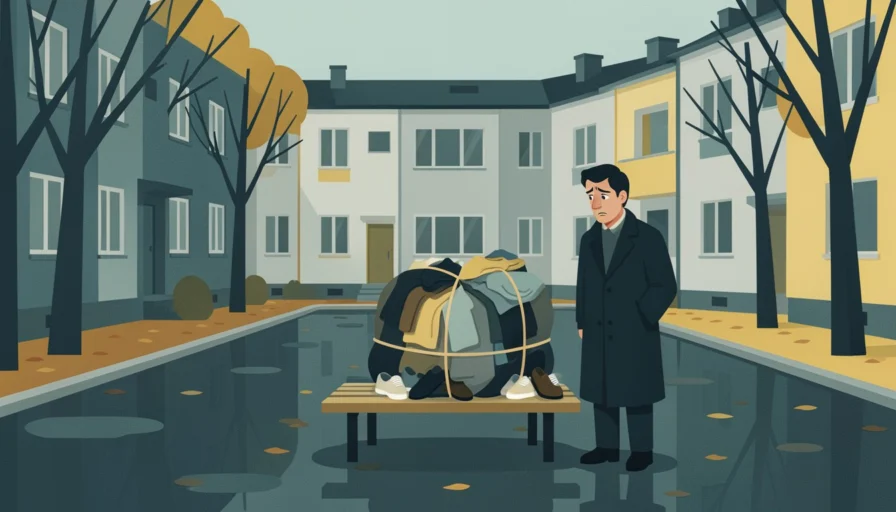
Selling your own used belongings is not subject to income tax. Regularly buying items in second-hand shops in order to resell them is, in the tax authority's view, already entrepreneurial activity, and it carries a fine of up to 2250 roubles.
Olha Pakhomava, a representative of the tax inspectorate in Homel, explained to schoolchildren why regularly reselling used clothing and footwear can end in a fine. Such trading is allowed only after registering a business, the agency stated.
According to the Ministry of Taxes and Duties, income that an individual receives from selling a spare car part or other used items to another individual is not subject to income tax. The exception is a seller acting as an individual entrepreneur. The buyer's citizenship does not matter.
Lawyer Diana Amirkhanian clarifies that no tax is charged if personal belongings are being sold off that the seller used themselves and bought for personal, family or household needs rather than for commercial gain. Maryia Zahudaeva, a pro-government expert, said on 17 November that you can get rid of unneeded furniture and clothing without paying taxes as long as it is not systematic resale. Restrictions, according to her, apply only to real estate (no more than one property in 5 years) and cars (no more than one per year).
According to Amirkhanian, Belarusian legislation does not set out an income amount or number of listings after which an ordinary seller becomes an entrepreneur. The tax authority can nevertheless suspect resale in someone who sells items systematically: resale is permitted only to a registered business entity.
The Ministry of Taxes and Duties gives an example: regular sales of items originally bought for resale must be carried out by an individual entrepreneur or another registered entity. Amirkhanian believes that regularly buying goods and deliberately reselling them online is recognised as full-fledged retail trade. Specialists note that ordinary retail resale of other people's goods is not among the activities permitted to self-employed people paying the professional income tax (NPD).
Under the Code of Administrative Offences, an offender faces a fine of up to 100 base units, currently up to 4500 roubles. In another account, for a repeat offence the tax on illegal resale will be 5 times higher (Article 342 of the Tax Code), and the fine will be up to 100 base units, 3.7 thousand roubles, with or without confiscation (Article 12.7 of the Code of Administrative Offences).
A court may confiscate unsold goods and the laptops or phones used for trading, and may also seize into the state budget up to 100% of the proceeds from illegal activity.
In March 2023, Bellehprom came out against individuals reselling clothing from second-hand shops. At the same time, a criminal case for fraud was opened against a 16-year-old Minsk resident for reselling a hoodie from a second-hand shop at 7 times the price. In August 2024, the European Union banned the supply of used goods to Belarus.
Comments
To leave a comment, sign in with Telegram
Scan QR or open Telegram:
Open in TelegramWaiting for confirmation…