
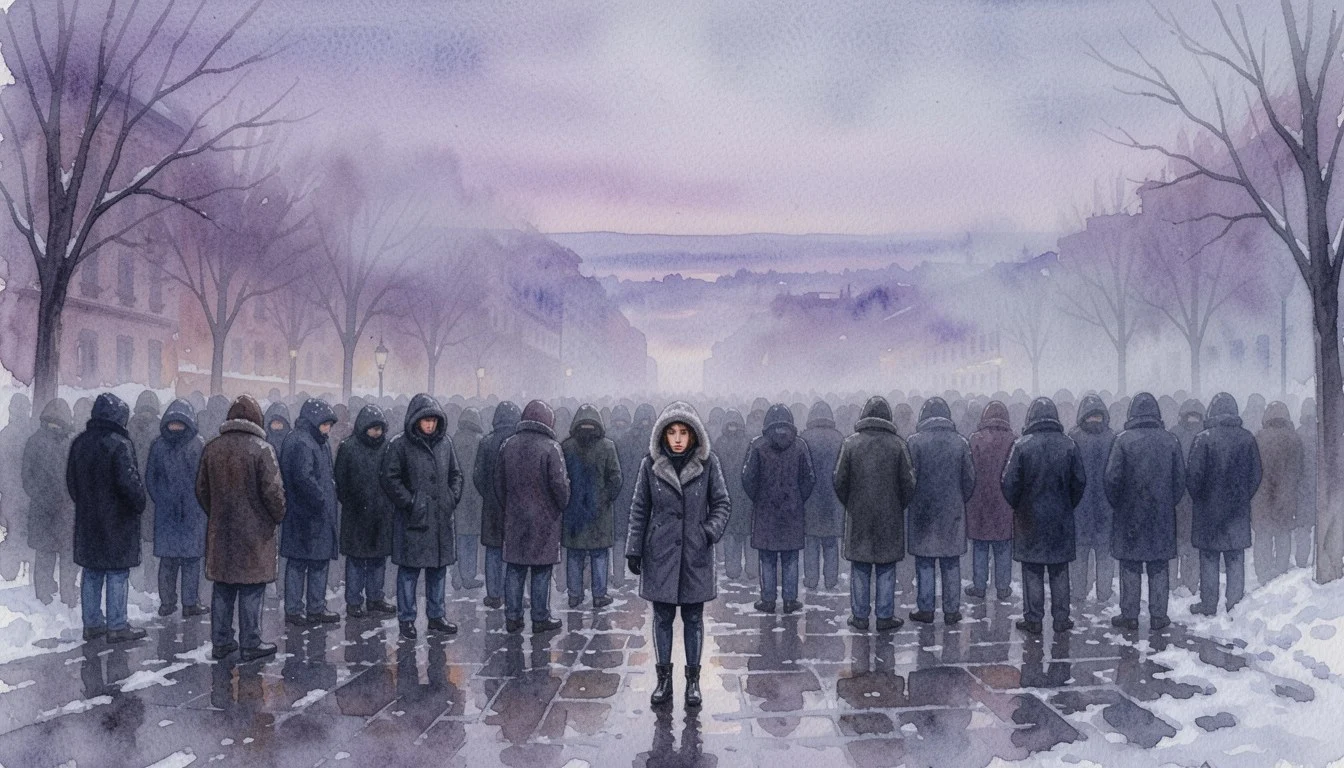
More than half of foreigners living in Poland have experienced aggression, discrimination or other forms of violence over the past six months. This is the conclusion of a study by the Warsaw-based Ocalenie foundation, the results of which were reported by the Bankier.pl portal.
988 people from more than 70 countries took part in the survey, two thirds of them from Ukraine and Belarus.
According to the study, 46% of respondents had experienced more than one type of violence, and 25.8% had experienced violence several times a year. Of those affected, 61% believe the cause was national prejudice, 15% say it was ethnic or racial, and slightly under 7% linked the violence to religion.
Unpleasant comments or insults directed at them were reported by 45% of respondents, and 34.1% of them experienced verbal aggression from Poles. Most often this happened on the street, on public transport and in shops. One in three had experienced humiliating treatment, especially in working relationships and when renting housing. Intimidation was experienced by 14% of respondents, most often from Poles.
Economic violence, meaning unpaid or delayed wages and breaches of the Labour Code, affected 24.2% of respondents. One in eight experienced physical violence: blows, shoves, spitting, attempts to tear off a hijab. In most cases the aggressors were Poles.
The most frequent conflicts within the migrant community arise between Ukrainians and Russian-speaking people from Belarus and Russia.
Only 13.2% of those affected reported incidents of violence to the authorities. At the same time, 72.5% of respondents said they feel safe in Poland.
One participant in the survey from Belarus gave an example: "The child I was looking after said to me: 'Damn it, you are in my country and you are my servant.'" Another Belarusian woman said that Polish employers promised to help with legalisation, so she worked more for fewer benefits, and then terminated the contract a week before her residence permit expired. A man from Russia recalled how at work a Pole threatened him with a pistol and said that "we are 'rats' and need to be taken out somewhere into the forest."
The deputy Polish Commissioner for Human Rights, Anna Błaszczak-Banasiak, said the situation reflects Polish public debate, which is often built on the language of dehumanisation and the normalisation of aggression towards migrants. In her words: "We are on the eve of an election campaign which, by all appearances, may also be based on anti-migrant, anti-refugee, anti-Ukrainian themes, and this undoubtedly, and the data show it clearly, leads to an escalation of street violence."
Comments
To leave a comment, sign in with Telegram
Scan QR or open Telegram:
Open in TelegramWaiting for confirmation…